By James Whitfield
Co-Founder, Texas Home Service Alliance
Panel capacity, GFCI protection, and when to call — not a job for YouTube tutorials.
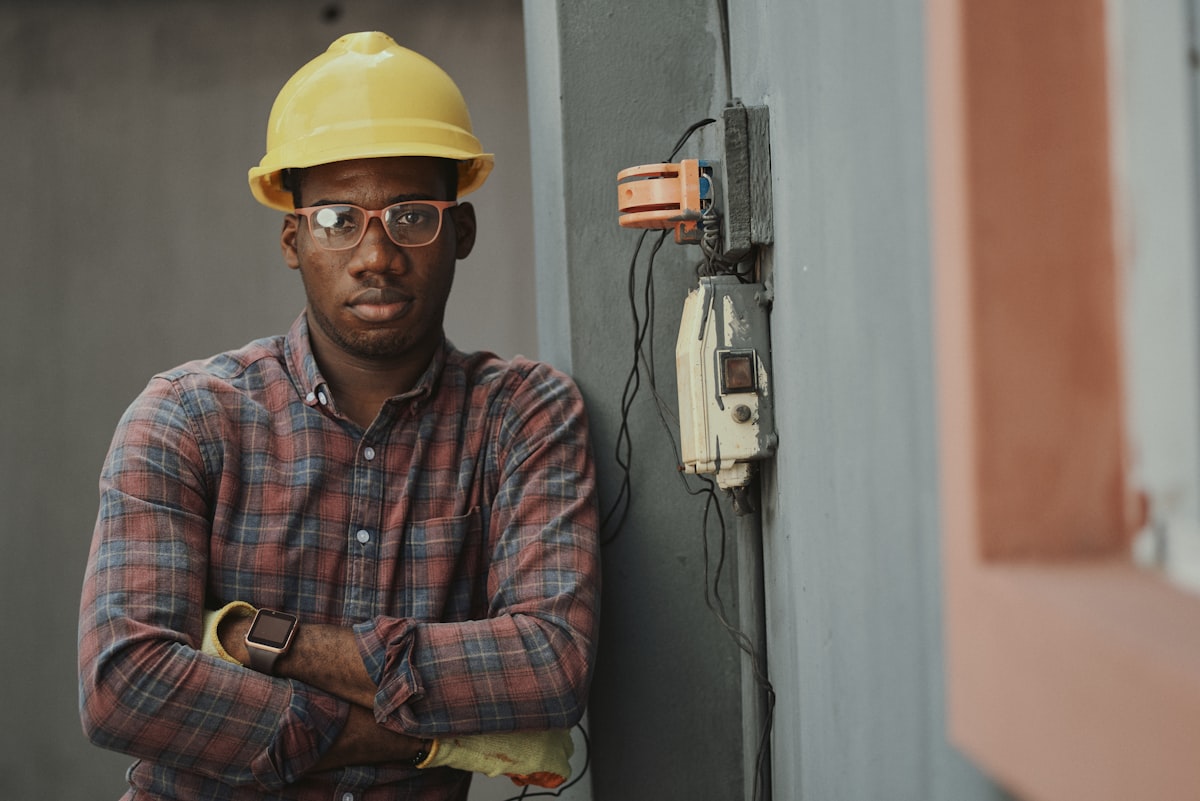
Electrical work is the home improvement category with the highest stakes for DIY mistakes. A bad paint job is ugly. A bad electrical connection can be fatal or burn your home down. Texas has seen electrical-related house fires increase as older homes are asked to power modern loads — two refrigerators, multiple flat screens, EV chargers, and smart home devices — through panels designed in a different era. Understanding your home's electrical system is not optional for a responsible homeowner.
Most Texas homes built before 1990 have 100-amp service panels. While technically sufficient for the loads of that era, a 100-amp panel in a modern home with an electric vehicle, two HVAC units, and a home office is frequently operating near its capacity limits. Upgrading to 200-amp service typically costs $1,500 to $3,500 installed and is one of the highest-return electrical investments you can make — both in safety and in home resale value. EV charger installation requires a dedicated 240V circuit regardless of panel size.
GFCI (Ground Fault Circuit Interrupter) outlets are required by code in all wet areas — kitchens, bathrooms, garages, exterior outlets, and areas near pools. If your home was built before 1975, there is a good chance some of these areas lack GFCI protection. Testing each GFCI outlet (press the Test button — it should cut power; press Reset to restore) is a monthly habit worth developing. AFCI (Arc Fault Circuit Interrupter) breakers are required in newer construction for bedrooms and living areas and can be retrofitted to older homes for added fire protection.
Warning signs of electrical problems that require immediate professional attention: breakers that trip repeatedly, flickering or dimming lights, outlets or switches that feel warm to the touch, a burning smell from any outlet or panel, visible scorch marks around outlets, or a buzzing sound from your electrical panel. None of these symptoms should be addressed with a reset or a DIY repair — call a licensed electrician for a diagnostic visit. The service call fee is a small price for peace of mind.
When hiring an electrician, verify their Texas state electrical license and check that they carry both general liability and workers' compensation insurance. Electrical permits are required for most work beyond simple fixture swaps, and inspections are how errors get caught before they become hazards. A licensed electrician who pulls permits is not making your life harder — they are protecting your home and your insurance coverage.
About the Author
James Whitfield
Co-Founder, Texas Home Service Alliance
James Whitfield is a co-founder of the Texas Home Service Alliance and a former general contractor with 18 years of experience in Texas residential construction. He started THSA after watching homeowners repeatedly get burned by unverified lead platforms and storm-chasing contractors. His guides focus on helping Texas homeowners understand contractor credentials, real project costs, and how to hire with confidence.
Related Guides
HVAC Maintenance: What Every Texas Homeowner Needs to Know

What Does a Plumber Actually Cost in 2026?

How to Choose the Right Roofer in Texas