By James Whitfield
Co-Founder, Texas Home Service Alliance
The prep work, the products, and the painter questions that separate good jobs from great ones.
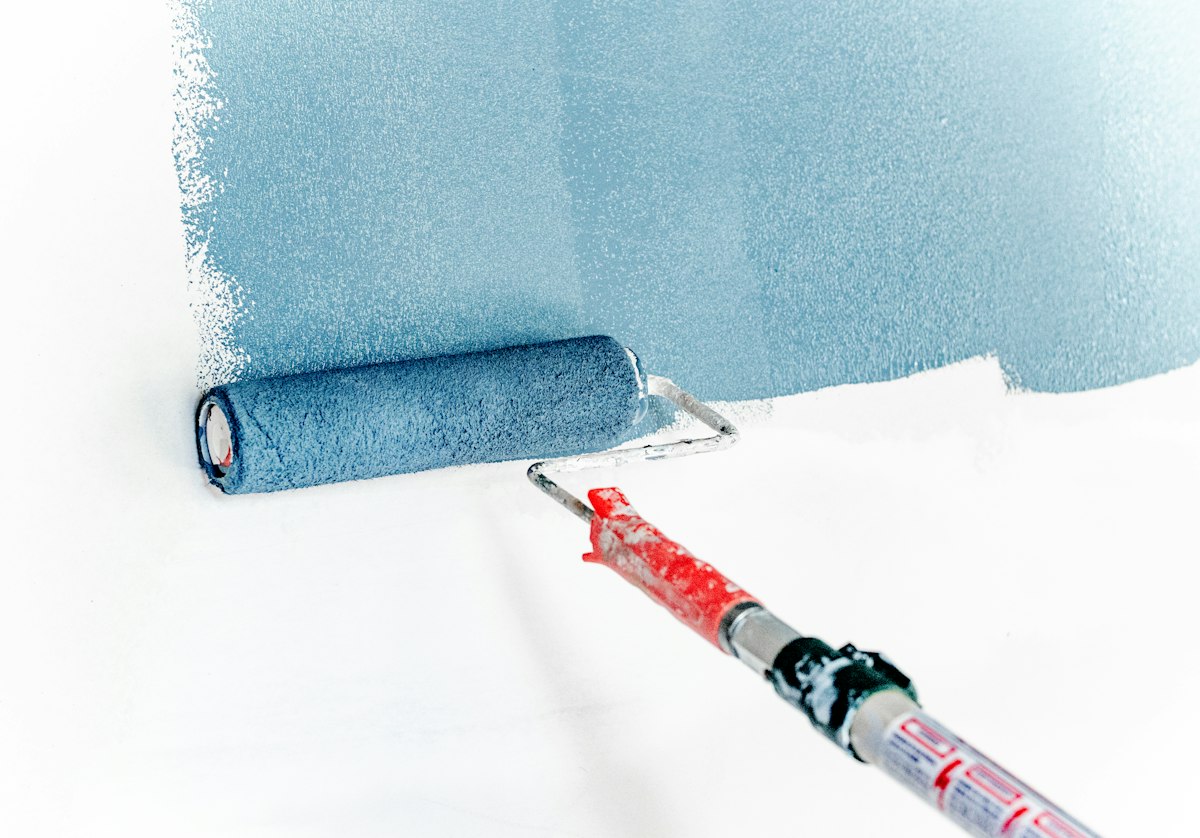
A fresh coat of paint is the highest-return cosmetic upgrade in residential real estate — low cost, high visual impact, immediate results. But the difference between a paint job that looks great for ten years and one that starts bubbling and chipping by year two comes down almost entirely to preparation, product quality, and application technique. If you are hiring a painter, understanding what separates good work from mediocre work helps you choose the right contractor and verify that the work was done correctly.
Surface preparation is where professional painters earn their fee. Walls must be cleaned, repaired, primed where needed, and in good condition before a single drop of finish paint is applied. Hairline cracks should be filled with a flexible filler; nail holes with spackling compound; peeling paint must be removed down to a stable substrate. Surfaces that are glossy or previously painted with oil-based paint need to be scuffed or primed with a bonding primer for the new paint to adhere. A painter who spends the first day or more on prep before any finish color goes on is doing the job correctly.
Paint quality matters more than most homeowners realize. There is a meaningful difference between contractor-grade paint purchased in bulk and professional lines like Sherwin-Williams Emerald, Benjamin Moore Aura, or similar premium products. Better paints have higher pigment loads, better coverage, stronger scrub resistance, and longer service life. The material cost difference between a budget and premium paint in a 2,000 square foot home is typically $200 to $400 — a trivial increment against the total labor cost. Insist that your painter specify the exact paint product in their quote.
When evaluating painter quotes, look for: specific paint brand and product listed, number of coats specified (two finish coats minimum on walls), whether ceilings and trim are included, and how they handle furniture and floors. Covering floors with heavy paper or canvas drop cloths (not thin plastic, which slides and tears) is a basic professionalism marker. Ask to see photos of recent completed jobs that match the scope of your project.
For interior painting in Texas, timing matters less than in northern climates — you can paint year-round indoors. However, Texas humidity in the summer can affect dry times and adhesion if a space lacks climate control. Any room being painted should be at a consistent temperature between 60°F and 90°F with reasonable humidity. A good painter will check conditions before starting and will not paint in a space that is too cold, too hot, or excessively humid.
About the Author
James Whitfield
Co-Founder, Texas Home Service Alliance
James Whitfield is a co-founder of the Texas Home Service Alliance and a former general contractor with 18 years of experience in Texas residential construction. He started THSA after watching homeowners repeatedly get burned by unverified lead platforms and storm-chasing contractors. His guides focus on helping Texas homeowners understand contractor credentials, real project costs, and how to hire with confidence.
Related Guides

Kitchen Remodel Cost Guide: What Texas Homeowners Pay

Flooring Comparison Guide: Hardwood vs. LVP vs. Tile
Landscaping on a Budget: Top Projects That Add Real Value